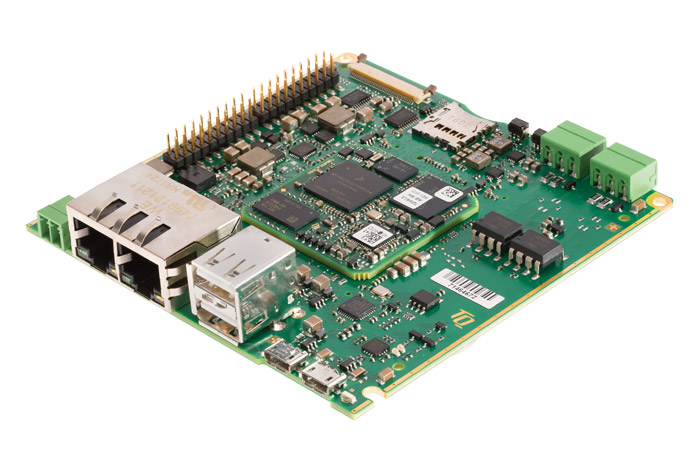
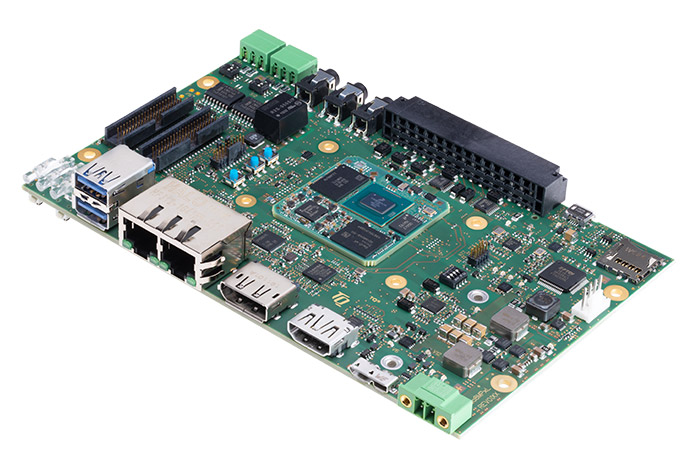
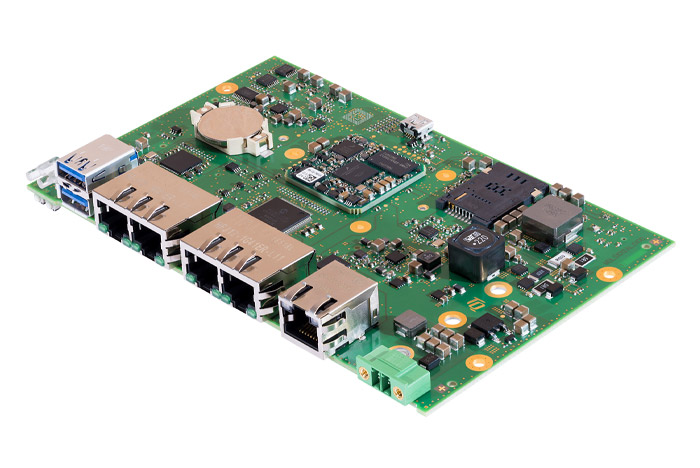
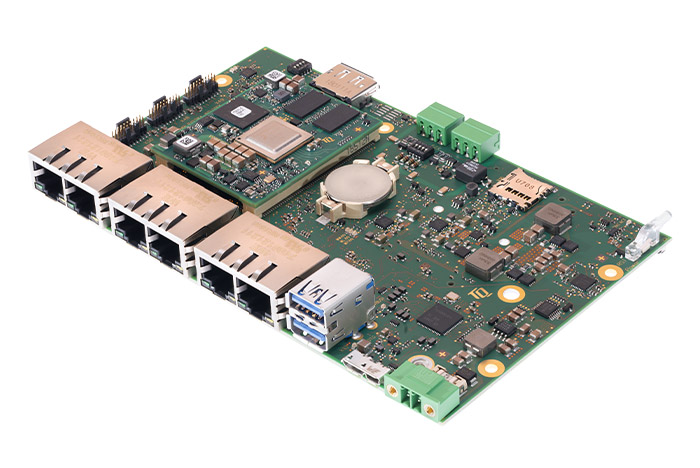
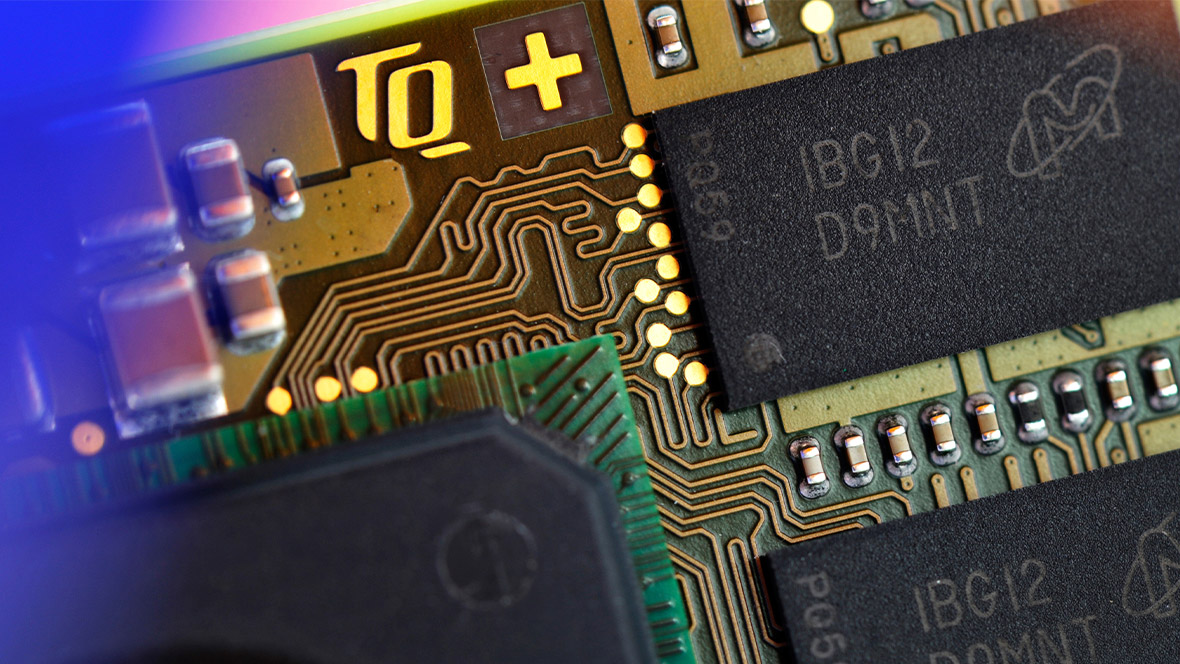
Ready to use – no custom carrier board design required
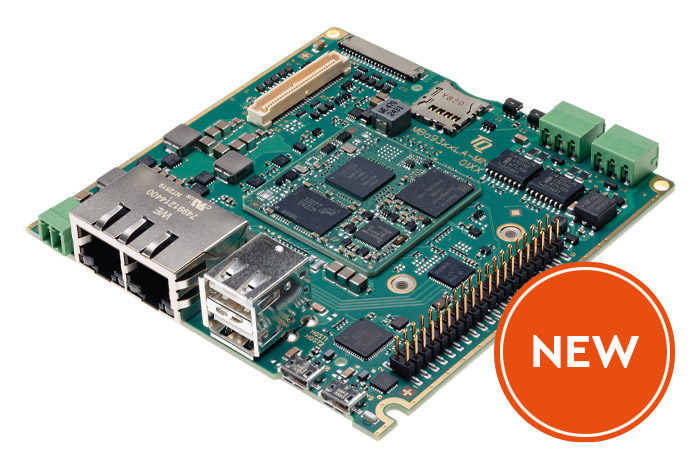
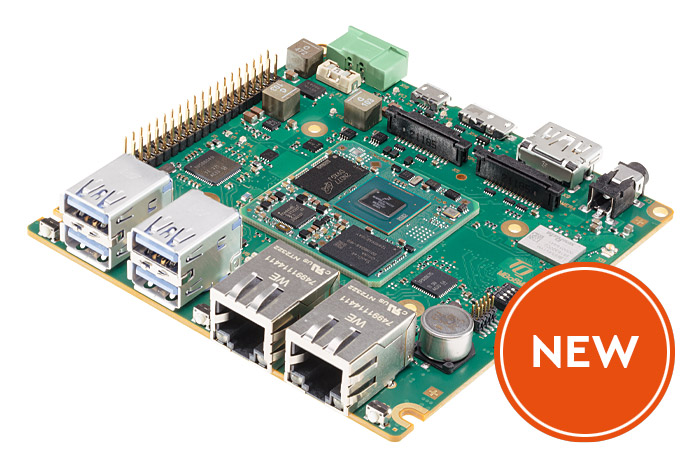
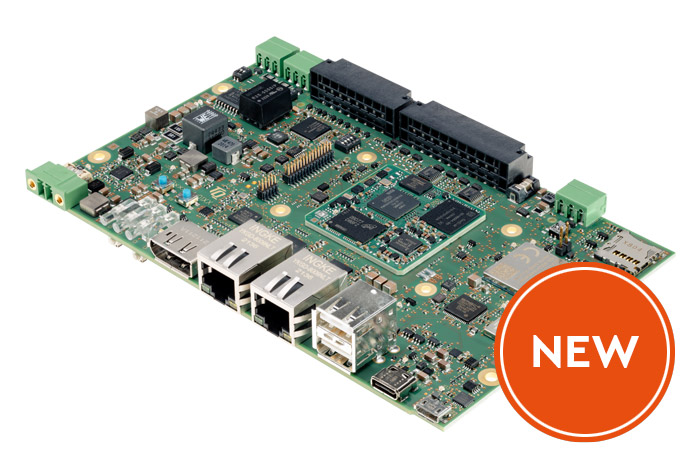
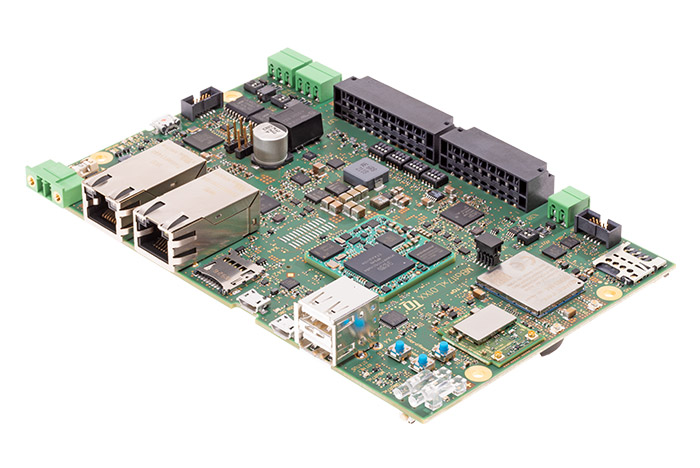
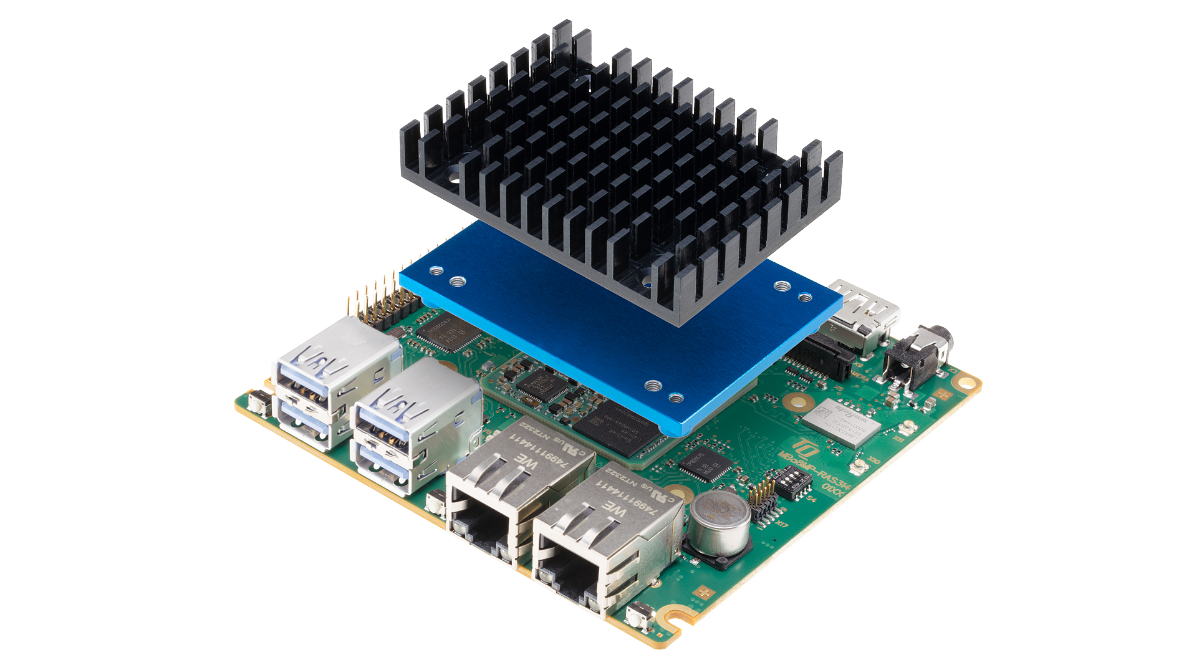
Single Board Computers are designed as a complete board and are therefore suitable for rapid evaluation and project start-up.
TQ's Single Board Computers (SBC) are tailored to modern embedded applications, for example for industrial control, medical technology or IoT. They combine high performance with a compact size, industrial-grade interfaces and designs with long-term availability.
In short: a Single Board Computer is a compact complete board with CPU, memory and interfaces.
Start directly: Select Single Board Computer now
Your benefits with TQ SBCs
How to choose the right SBC
In practice, three decisions are usually enough to get you to the right platform quickly.
Our Tip: Sustainability by Design
Our SBCs are built for long-term availability and maximum reliability. Thanks to their robust design, proactive obsolescence management, and long-term component supply, they are ideal for applications with extended product life cycles.
A Single Board Computer is a complete, ready-to-use board on which the central processing unit, memory and important interfaces are already integrated. This gives you a compact platform that can be quickly integrated into devices and systems - ideal when compact design and energy efficiency are required.
A Single Board Computer is a complete board. A Computer-on-Module is a plug-in or solder-in computing unit that only becomes a complete system when combined with a carrier board. Single Board Computers offer the advantage that many functions are already implemented directly on the board.
Single Board Computers are often used when a compact, robust board is required for embedded applications, for example in industrial environments, for operating and display systems, gateways or control systems.
Focus on three points: required computing power and CPU platform, required interfaces and environmental conditions such as temperature and installation. This will help you to quickly find a Single Board Computer that fits your project both technically and economically.
Interfaces determine how well a system can be integrated into its environment, for example via Ethernet, USB or display connections. Depending on the application, special network functions are also crucial, for example for real-time communication or robust industrial networks.
Yes, if long-term availability, stable platforms and a predictable series strategy are important, they are a very good basis. They facilitate standardization and reduce development costs across product generations.
TQ provides support in selecting the right SBC, technical integration into your system and planning for series production, including documentation, software support and project support.