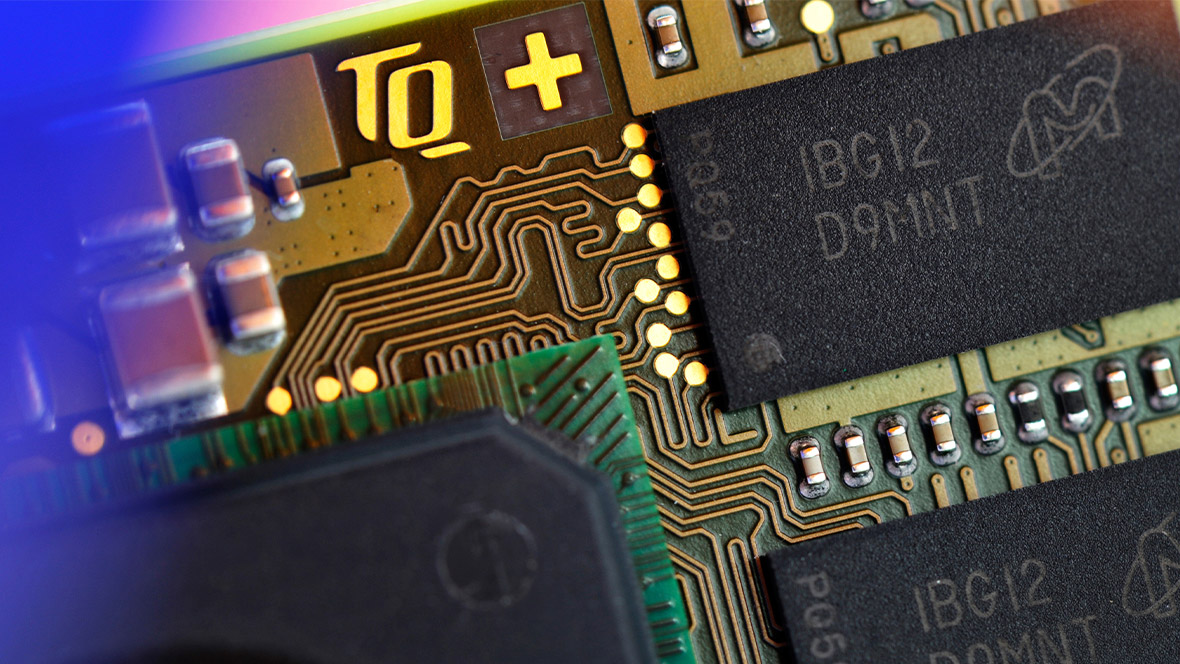
Open Standard Module™ (OSM) New standard for cost-efficient embedded mini-modules

Open Standard Modules (OSM) were defined by SGET e.V. to meet the increasing demands of modern embedded systems. They establish a clearly defined, globally recognized industrial standard for solder modules, that combines miniaturization, robustness, and flexibility in an optimal way. This enables extremely compact, economical and highly automatable system designs.

Benefits of Open Standard Modules™ at a glance

  • Four unified module sizes (0, S, M, L) (0, S, M, L)
  • Extremely compact dimensions: OSM Size-S is 78% smaller than SMARC
  • Soldered instead of plugged for maximum robustness and vibration resistance—no expensive connectors required
  • Fully standardized hardware and software interfacese
  • High production automation thanks to solder-based assembly
     
Form factors OSM

OSM sizes in detail

TQMa62LxxOA-S: Embedded module featuring the latest TI AM62Lx processors

AM62Lx family from Texas Instruments expands the successful AM62x portfolio with a cost-optimized, fanless and yet highly capable processor line — ideal for industrial applications.

The OSM standard is an excellent fit for processors of this class. In the new Open Standard Module™ TQMa62LxxOA-S, the strengths of the OSM form factor are combined with TI’s AM62Lx CPU to create an extremely compact and industry-grade embedded solution.
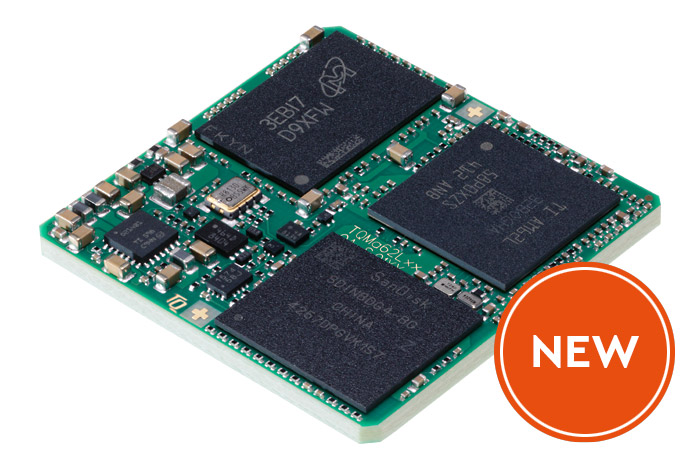
 Rendering of the embedded module TQMa62LxxOA-S with coming soon button
  • AM62Lx with up to 2× Cortex®-A53 (1.25 GHz)
  • Extended temperature range and Embedded Linux support
  • Extremely compact footprint: only 30 mm × 30 mm


TQMa62LxxOA-S

All details and specifications can be found on the product page.


Key facts about OSM

What are Open Standard Modules™ (OSM)?

OSM are standardized, solder-on embedded modules in an LGA format that enable extremely compact, robust and cost-efficient designs. The standard is maintained by SGET e.V. and is vendor-independent.

How does OSM differ from other form factors (e.g., COM, SMARC)?

Unlike existing module standards, OSM defines — for the first time — a comprehensive hardware and software framework specifically for solder-on modules rather than plug-in modules. This reduces height and cost, increases robustness, and simplifies production processes.

What are typical application areas for OSM?

Open Standard Modules™ are ideal for space-constrained embedded and IoT devices, edge-computing solutions, and industrial systems that require a robust, scalable and long-term available module platform.


Contact us

Do you have questions about our products or need individual advice? Our TQ experts are here to help. Get in touch with us today – no obligations. We look forward to hearing from you!

 
3265,64,67,17

Our USPs

  • Unbeatable long-term availability
  • Robustness for all applications
  • The most comprehensive range of modules on the market
  • A comprehensive design and support of an E²MS manufacturer
  • Full design freedom, as all processor functions are fully accessible

Request more info

Do you have questions about TQ-Embedded and our products? We are looking forward to your inquiry and will respond quickly. Here's an overview of how to reach us.


Support

Our technical support is here to assist you. Our Field Application Engineers, FAQs and support wikis will help you with any challenge you may face. Here's an overview of our support offerings.


TQ-Embedded news

All the latest news about TQ-Embedded and our products as well as press releases can be found in our news overview.


Always the right intelligence for your application

Benefit now from consolidated TQ expertise in embedded computer-on-modules based on the latest technology and subscribe to our e-mail topic series.


Our partners

Intel Technology Provider
Embedded Partner NXP
Embedded Partner Renesas
Embedded Partner Texas Instruments