Support throughout development
Based on the test results, we derive targeted measures to optimize your product and thus support the development process.
Heat, cold, humidity, vibrations, or mechanical stress can significantly affect the reliability of electronic products. With professional environmental simulation, you can determine whether your product can withstand the stresses it will face in later use. At TQ-Product-Compliance-Center, we carry out comprehensive environmental testing to demonstrate function, quality, and reliability under realistic environmental conditions.
What are the benefits of environmental testing?
A professional environmental simulation makes it possible to examine the behavior of a product under defined environmental conditions in a controlled way. Compared with field tests, tests can be carried out faster, reproducibly, and in compliance with standards. At the same time, development errors can be identified much earlier.
Typical goals of an environmental test are:
Using thermography, we analyze the temperature distribution of your product under real operating conditions. This allows us to identify thermal weak points at an early stage, assess how your product behaves under realistic usage conditions, and identify areas of excessive heat and recommend targeted improvements.
Our Tests
Test and Inspection Equipment
Infrared camera
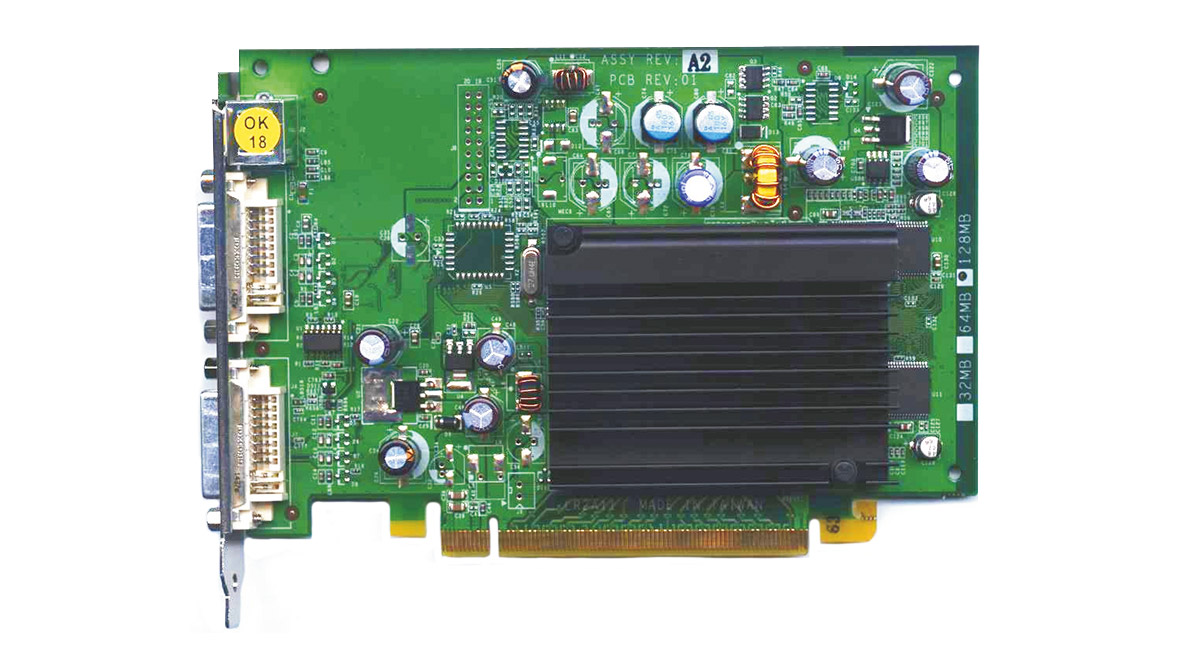
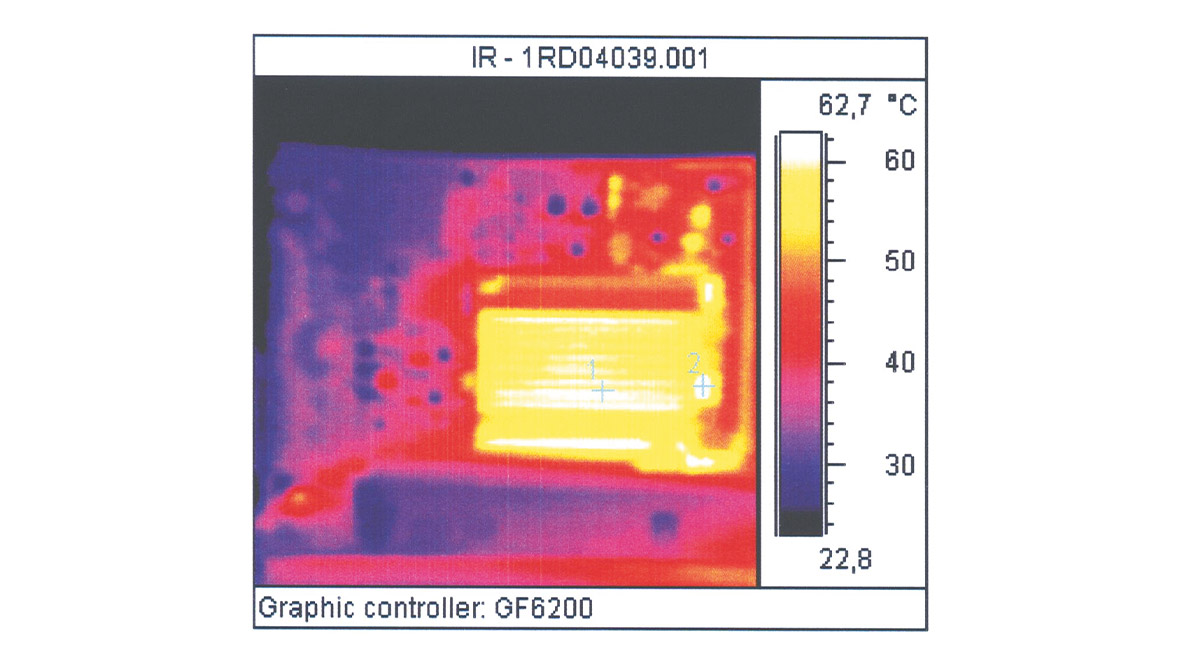
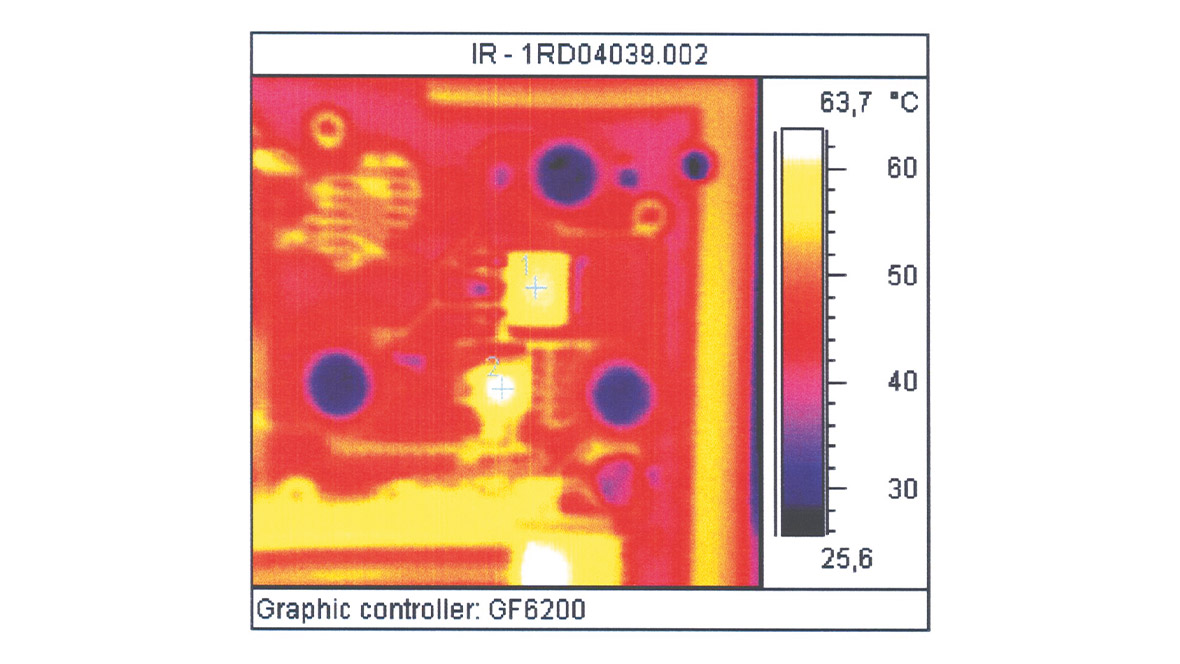
Since temperature, humidity, and temperature fluctuations significantly affect the function and service life of electronic products, in environmental simulation we test whether your product also operates reliably under extreme climatic conditions. Based on the results, we support the development of your product in order to specifically optimize cooling concepts, heat management, or humidity management.
Our Tests
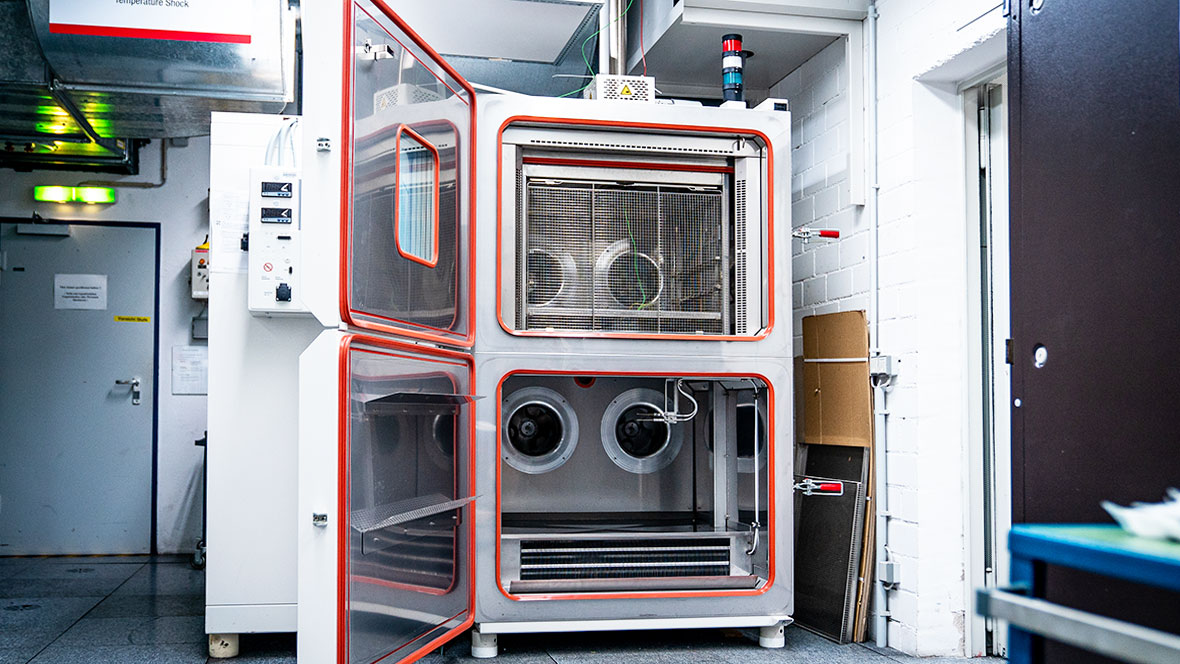
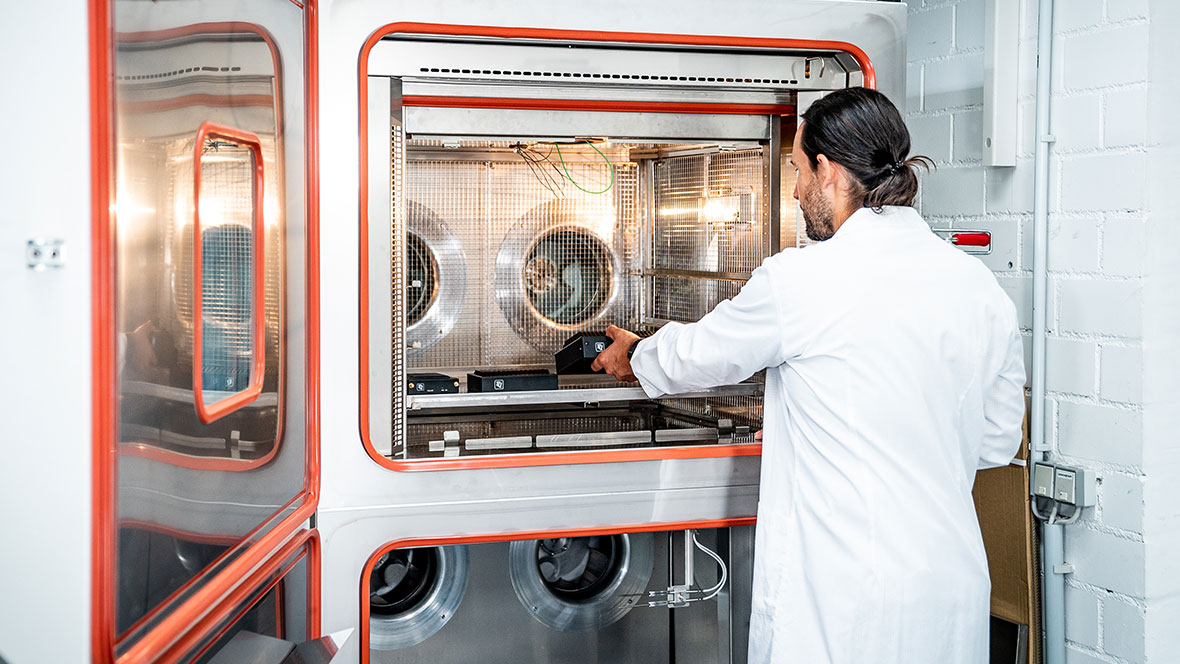
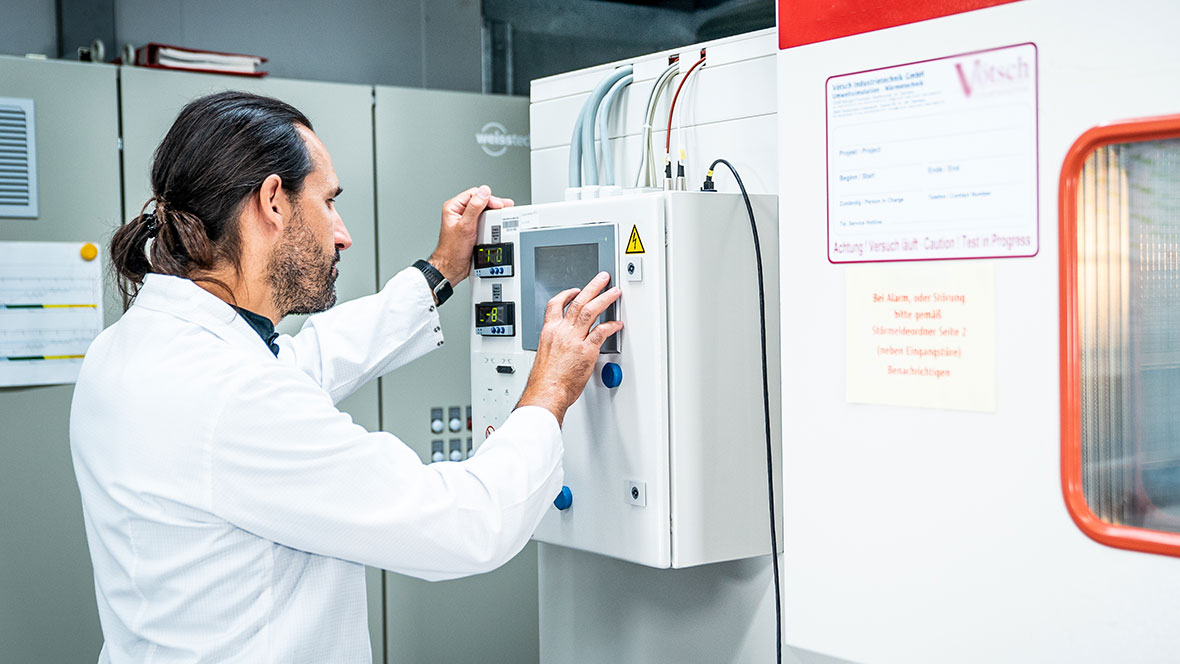
Test and Inspection Equipment
| Test Area | Climate Range | |
|---|---|---|
| Walk-in climate chamber | 5.1 m x 3.0 m x 2.8 m Door dimensions: 1.2 m x 2.2 m |
-40 °C to +90 °C Humidity from 20% to 95% |
| Temperature/climate cabinets | Up to 1.0 m x 1.5 m x 1.0 m | -40 °C to +180 °C Humidity from 20% to 95% |
| Walk-in temperature chamber | 4.7 m x 3.5 m x 2.4 m Door dimensions: 1.0 m x 2.0 m |
+5 °C to +60 °C |
| 2-chamber temperature shock cabinet (Transfer time: 10 s; up to 50 kg) |
0.77 m x 0.61 m x 0.57 m | Chamber 1: +50 °C to +220 °C Chamber 2: -75 °C to +70 °C |
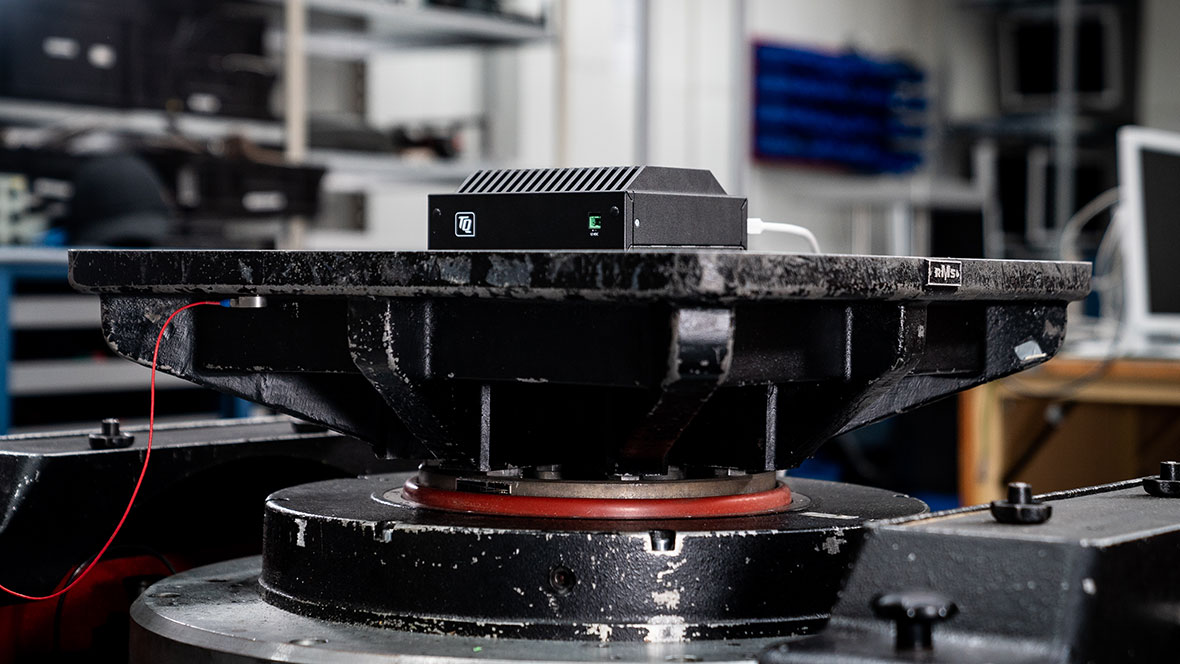
Mechanical vibrations and impact loads are among the most common causes of material fatigue. In the TQ-PCC, we simulate these external vibrations through vibration tests or shock tests and thus assess the reliability of your product in the field. The results help identify the causes of damage or failures and derive appropriate design countermeasures.
Our tests
Test and Inspection Equipment

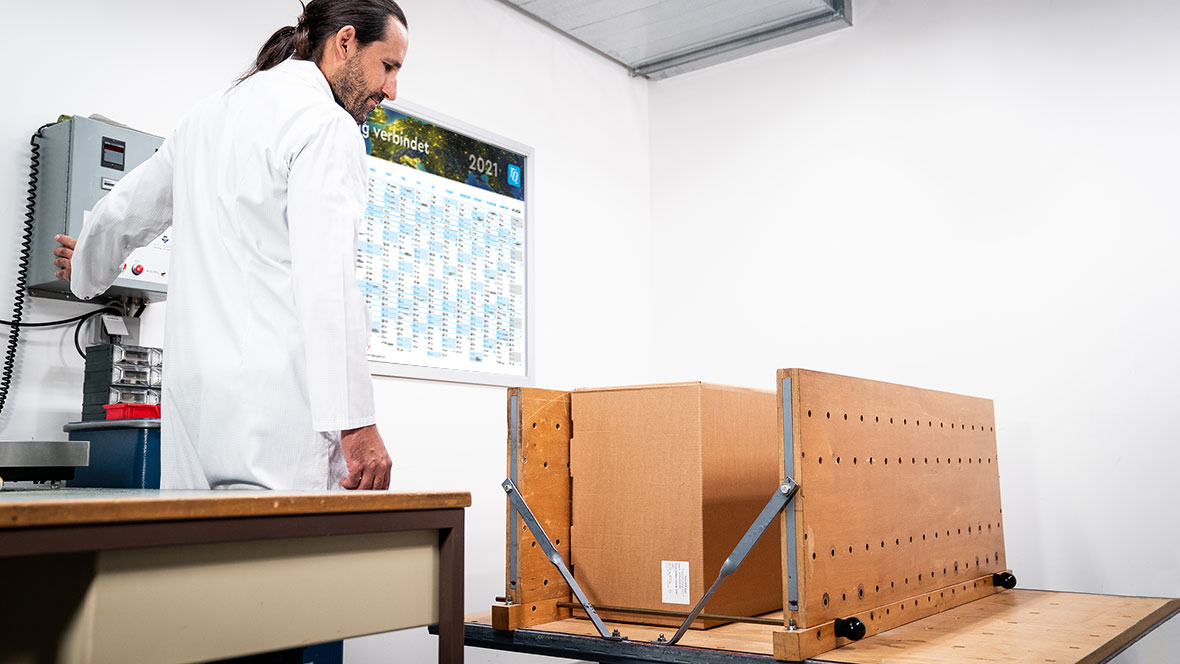
During transport and logistics, vibrations, impacts, and shocks act on the product and packaging. Our transport and packaging tests realistically replicate these stresses and show how reliably your product withstands transportation. In this way, we identify weaknesses at an early stage and work with you to develop measures to optimally protect both product and packaging.
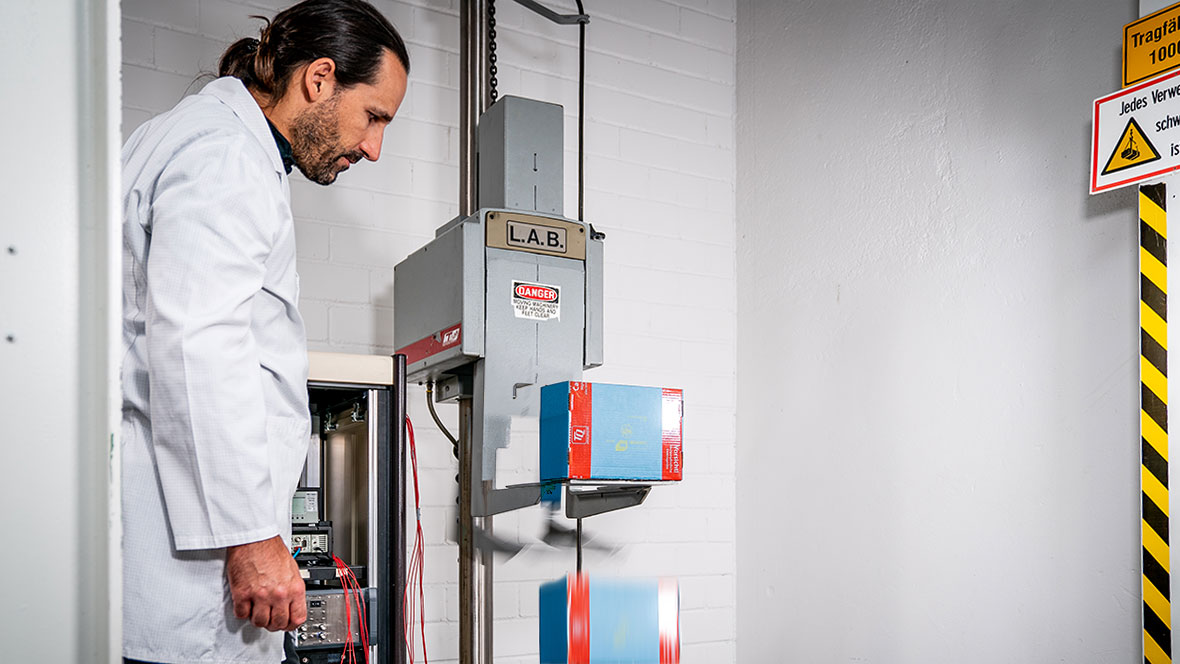
Our Tests
Applicable Standards
Test and inspection equipment
Drop test device
Impact Testing Device
The IP protection rating test evaluates the protection of an enclosure against contact, solid foreign objects, and water in accordance with the specified IP protection class. At TQ-PCC, we test protection against access to hazardous parts, the ingress of dust (including Talkum dust), and the ingress of water. The results serve as proof for certifications and market approvals.
Splash chamber


Dust Chamber


Tests & Test Equipment
| Splash Water Test | Dust Test | |
|---|---|---|
| Protection classes | IPX1 to IPX8 | IP1X to IP6X |
| Applicable standards (others on request) |
IEC 60529 + A1 + A2 ISO 20653 EN 60068-2-18 |
|
| Test chamber | 1.5 m x 1.5 m x 1.5 m | 1.0 m x 1.0 m x 1.0 m |
| Test specimen dimensions | Max. edge length 80 cm | |
| Test weight | Max. 100 kg | |
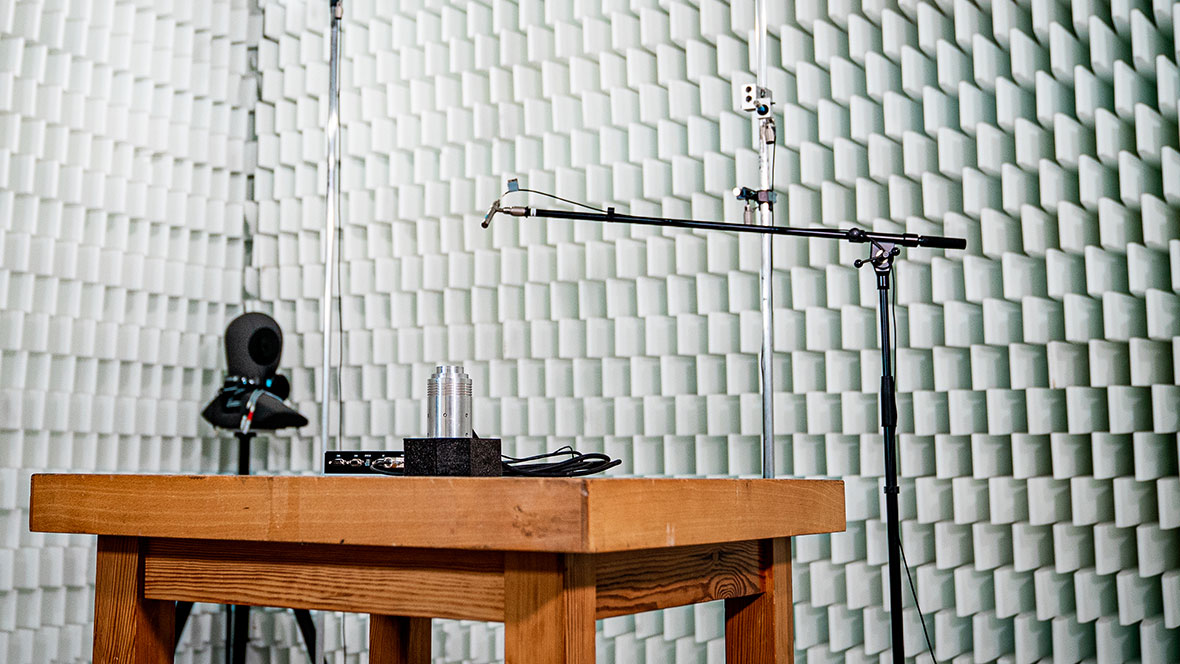
Using professional sound measurements, we analyze noise sources and evaluate the acoustic properties of your product. Based on the measurement results, we identify optimization potential and support you in meeting the acoustic requirements according to your specifications.
Our tests

Applicable standards
Testing and Inspection Equipment
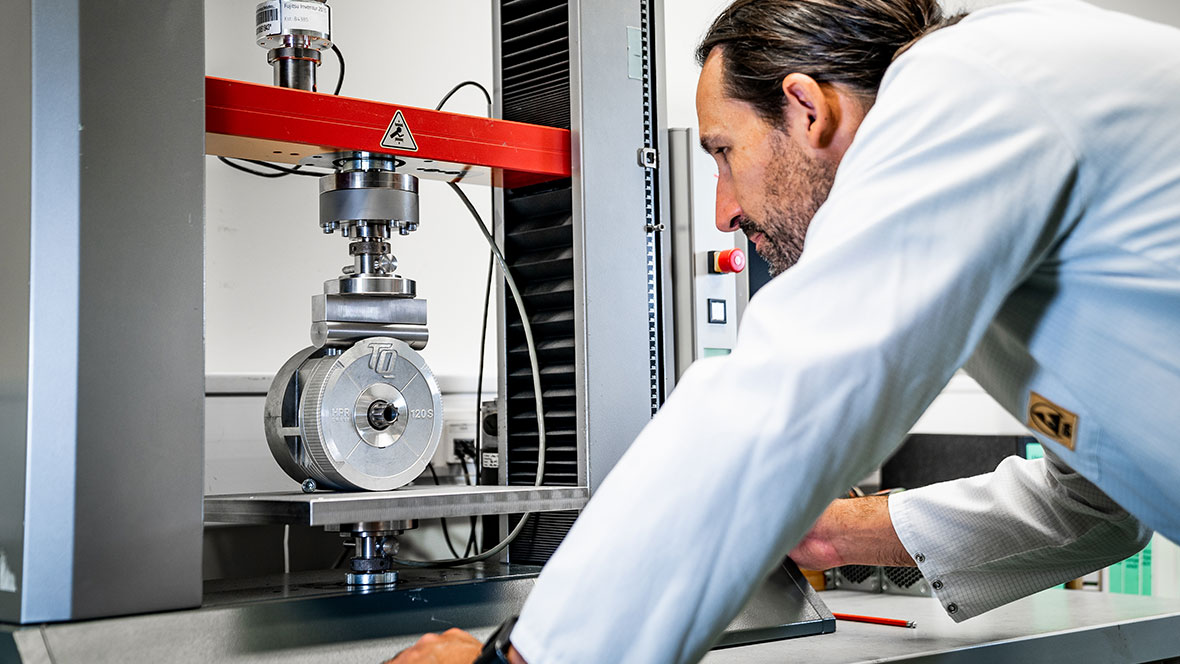
Our wear tests realistically simulate long-term stresses caused by climate, mechanics, and contamination. The TQ-PCC evaluates the effects on function, durability, and reliability and, together with you, identifies suitable measures to optimize the product design.

Our Tests
How environmental simulation works at TQ-PCC
We provide comprehensive support throughout the environmental simulation. In close coordination with you, our team defines the specific requirements for your product and creates a suitable test plan based on them. The environmental tests take place directly at TQ-PCC – test slots are often available at short notice. We then evaluate the results, document all evidence, and, if desired, support you in optimizing your product.

In environmental simulation, real environmental conditions are reproduced under controlled laboratory conditions. These include, for example, temperature, humidity, vibrations, mechanical shocks, dust, or water. The aim is to assess the reliability, safety, and service life of a product under realistic stress conditions.
Environmental tests show how a product performs under the stresses of its intended operating environment. They help identify material damage, design flaws, and failure risks at an early stage. This reduces rework, improves product quality, and helps avoid field complaints.
Environmental testing is suitable for a wide range of electrical and electronic products. These include PCs, data processing and communications equipment, industrial electronics and control systems, household appliances, medical technology, and other products that are exposed to climatic or mechanical stresses during use. Through environmental simulation, it is possible to assess at an early stage whether a product will reliably withstand the conditions of later use.
The IP protection rating describes the protection of an enclosure against the ingress of solid foreign objects, dust, and water. The designation consists of two digits: the first describes protection against contact and foreign objects, the second protection against water.
Protection against foreign objects and dust:
Water protection (IPX):
Ideally, environmental simulation is carried out already during development in order to identify weaknesses at an early stage, before high costs arise in Series Production or market launch. In addition, environmental testing is often part of customer requirements, quality documentation, or certification procedures and should therefore be integrated into project planning at an early stage. The TQ-PCC is at your side throughout the entire process.